
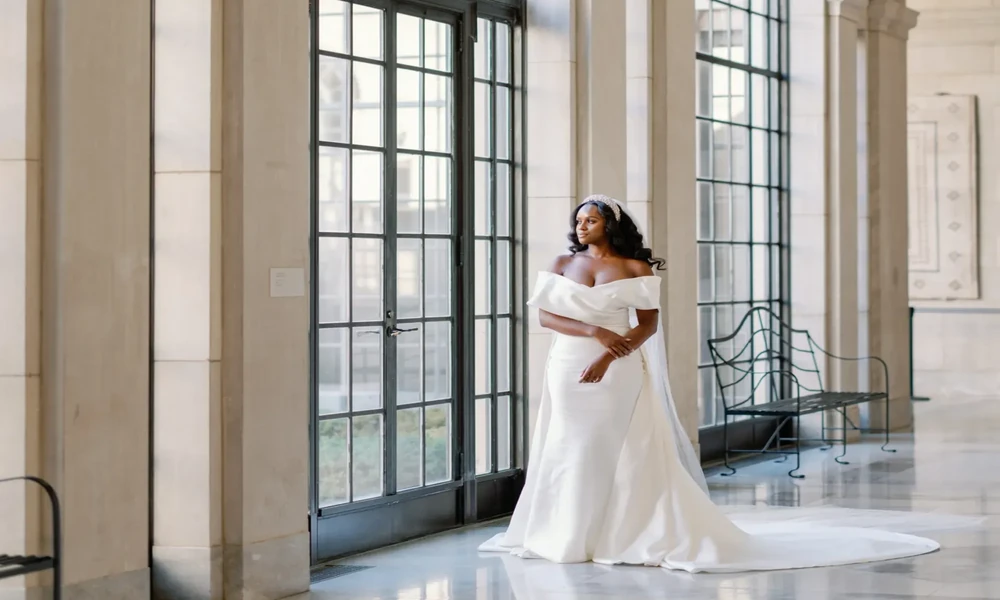

Planning a wedding wardrobe is about much more than choosing a beautiful dress. Modern brides often spend an entire day celebrating-from early morning preparations to a late-night reception-and every part of that day places different demands on what they wear.
A gown that photographs beautifully during a formal ceremony may feel completely different after hours of walking, greeting guests, and dancing. That’s why many brides now think about their wedding wardrobe as a complete styling plan rather than a single dress.
Start With Your Wedding Timeline
The schedule of your wedding should influence your clothing choices from the very beginning. A short courthouse ceremony followed by lunch requires something different than a twelve-hour celebration with multiple locations.
Write down the major parts of your day and think about how much movement each one requires. This simple exercise often makes choosing a dress much easier.
Your Fabric Choice Affects Comfort
The fabric you choose has a surprisingly large impact on your wedding experience. Satin creates elegant structure and photographs beautifully under natural light. Crepe offers clean contemporary lines with comfortable movement. Chiffon is lightweight and ideal for warm-weather celebrations, while lace introduces timeless texture.
If you’re comparing materials before shopping, a detailed wedding dress fabrics guide can help you understand how different fabrics behave throughout a full wedding day.
Think Beyond the Ceremony
Many brides choose their dress while imagining the walk down the aisle-but forget about everything that happens afterward.
Will you be climbing stairs? Dancing for several hours? Taking sunset photographs outdoors? Sitting through a long dinner? Every one of these moments should influence your decision.
Accessories Can Transform a Dress
You don’t always need a second gown to create a different evening look. Removing a cathedral veil, changing earrings, adding a statement hair accessory, or replacing formal shoes with elegant flats can completely refresh your appearance while maintaining the same dress.
Detachable sleeves, overskirts, and removable trains offer even more flexibility for brides who want variety without changing outfits.
Do You Need a Reception Dress?
Some brides choose to change into a lighter gown before the reception, especially if the ceremony dress features a dramatic train or a very full skirt. Others happily wear the same gown all day because it was selected with comfort in mind.
The right answer depends entirely on your celebration. If your ceremony dress already allows easy movement, there may be no need for a second outfit.
For brides considering a wardrobe change later in the evening, lightweight reception-ready styles or modern minimalist gowns often provide an elegant alternative without sacrificing bridal style.
Balance Beauty and Practicality
The most successful wedding wardrobe combines visual impact with practical comfort. Beautiful tailoring, thoughtful accessories, and appropriate fabrics allow you to enjoy every moment instead of constantly thinking about your dress.
Final Thoughts
Your wedding wardrobe should support every part of your celebration-not just the ceremony. By thinking about movement, comfort, weather, and the flow of the day, you’ll create a bridal look that remains just as enjoyable at midnight as it did when you first stepped into your gown.